
Visible airborne material during firing can raise questions about dust, vapor, and smoke. Understanding the possible sources—and following the backstop’s treatment and maintenance requirements—helps range operators respond appropriately.
This article explains the differences and outlines practical considerations for granulated rubber backstops, including routine inspections, fire-retardant treatment, and ventilation.
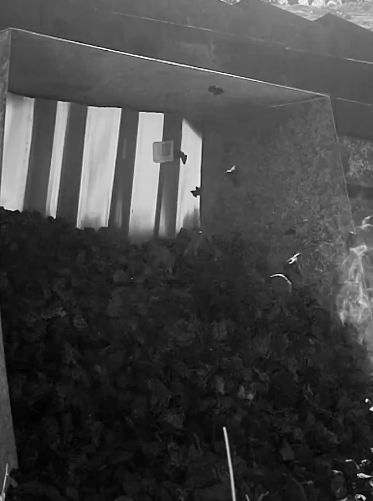
Vapor, Smoke, or Airborne Dust?
Vapor describes a substance in its gaseous state. Smoke includes suspended particles associated with combustion, while dust consists of particles dispersed into the air. A visible cloud may contain a mixture. Appearance alone cannot identify the material or determine whether rubber is contributing to the emissions.
Firing ranges can contain ammunition-related contaminants, including lead-containing dust. Material disturbed at the backstop may also contribute airborne particles. The particular sources and amounts depend on the ammunition, trap system, operating conditions, and maintenance history; determining exposure requires appropriate evaluation.
Understanding Heat and Fire Safety
Installation, media condition, firing patterns, and maintenance all matter when evaluating a granulated rubber backstop. Granules have more exposed surface than a solid block of the same material volume, making treatment compatibility and application important considerations. Follow the requirements for the complete backstop system rather than relying on a single depth or temperature figure.
The EPA’s guidance on lead management at outdoor shooting ranges identifies fire risk as a concern for some rubber traps under extremely high-volume use. This is a reason to follow the system’s operating and maintenance requirements, rather than assume that every visible puff indicates a fire.
Unexpected or persistent emissions, smoke that continues after firing stops, charring, or other signs of unusual heating should prompt a pause in firing and evaluation under the facility’s operating procedures. If fire or smoldering is suspected, follow the facility’s emergency response plan and contact emergency services as appropriate.
Treatment Matters Even Without Visible Emissions
CRS recommends including fire-retardant treatment in the maintenance plan for granulated rubber backstops, whether or not visible emissions occur. Select a treatment compatible with the media and backstop system, and follow the treatment supplier’s and system manufacturer’s written application, inspection, and reapplication instructions. Treatment does not make rubber noncombustible or replace ventilation, maintenance, or fire-response procedures.
Continue specified treatment and inspections even when no smoke is visible, including for media with an integrated flame-resistant formulation. Our granulated rubber depth guide and granulated rubber depth chart provide additional background; confirm the requirements for the actual installation with the system manufacturer or qualified range professional.
Use Product-Specific Application and Maintenance Instructions
Use the treatment product’s written instructions to establish the application method, handling precautions, and reapplication schedule. Review its label and safety data sheet, confirm compatibility with the backstop media, and resolve any conflicting instructions with the relevant suppliers before application.
Keep records of range usage, treatment applied, inspections, maintenance, and any unusual emissions. A consistent record helps the manufacturer or service provider assess changes and plan maintenance.
Ventilation and Routine Range Care
Treatment and ventilation serve different purposes. NIOSH identifies ventilation, housekeeping, and hygiene as important measures for addressing lead exposure at firing ranges. Air-quality assessment should be based on appropriate evaluation, rather than the presence or absence of a visible cloud.
Include ventilation checks, housekeeping, and media inspections in the facility’s routine care program, alongside treatment. Follow applicable workplace requirements and the range’s written operating procedures.
Further Reading
For background, see EPA guidance on lead management at outdoor shooting ranges and NIOSH guidance on lead and noise exposure at indoor firing ranges. These resources provide general context, not approval of a particular CRS product, treatment, or installation.
Important Disclaimer
This article provides general information, not site-specific engineering, safety, or fire-code approval. Requirements depend on the backstop system, ammunition, usage, and local rules. Use qualified range-design and safety professionals for installation and operating decisions, and consult the local authority having jurisdiction where applicable.
Need Granulated Rubber for Your Range Project?
Cumberland Rubber Supply provides bulk 2000 lb supersacks and 50 lb bags of granulated rubber for commercial, government, and private shooting facilities.


